Ceuta's Leadership and the Ongoing Migrant Crisis
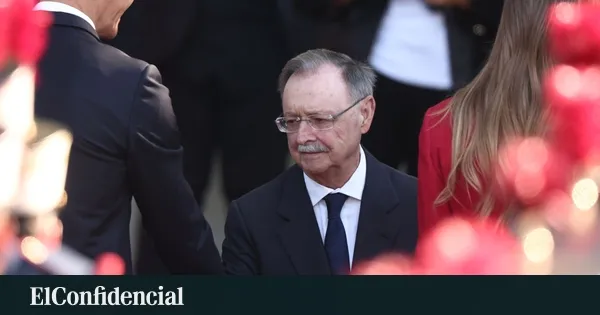
The President of Ceuta, Juan Jesús Vivas, has expressed serious concerns regarding the lack of communication with the Spanish government since July 31, when the Prime Minister, Pedro Sánchez, visited the autonomous city. During this visit, Sánchez characterized the massive influx of migrants from Morocco as an "attack on Spain's territorial integrity." This statement has set the tone for ongoing tensions between the regional and central governments, particularly in the wake of what Vivas labeled the "largest national security crisis in our democracy." In an interview with Servimedia, Vivas emphasized that their interactions have been minimal since that pivotal date, highlighting a significant disconnect between the two administrations.
Since the crisis, which saw over 70,000 migrants cross the border, communication has been virtually nonexistent. Vivas noted that he attended only two meetings of the National Security Council via videoconference and has not spoken directly with the Prime Minister since his July visit. This lack of dialogue has raised concerns about the effectiveness of the response to the ongoing situation, where thousands of migrants remain in Ceuta, with estimates suggesting around 10,000 individuals are still in the city following the mass entry in July.
Understanding the Situation on the Ground
Data from both the Ministry of Territorial Policy and the Ceuta government indicate that following the mass entry in July, approximately 10,000 migrants remain in the city. This number has fluctuated, with earlier estimates suggesting as many as 20,000 were still present. The president later revised this figure to around 13,000, citing conservative estimates. Many of these individuals are residing in makeshift camps established throughout the city.
Vivas has been vocal about the circumstances surrounding the migrant crisis, particularly regarding the role of Morocco. He alluded to reports from the National Center for Immigration and Borders, which suggest that the mass entry was part of a coordinated plan, involving high levels of organization and logistical support that would typically be associated with state-level operations. The presence of Moroccan naval vessels in the area during this time has further complicated perceptions of the situation, leading Vivas to assert that this was not merely a spontaneous event but a significant infringement on Spain's sovereignty.
In light of these developments, Vivas called for increased attention from Europe towards its southern borders, emphasizing that the border between Ceuta and Morocco is not only a national boundary but also a frontier of the European Union. He stressed the importance of shared responsibility in ensuring security at this critical juncture, arguing that defending the border equates to upholding Spain's sovereignty and the rule of law. His remarks reflect a growing sensitivity in Europe regarding border security, especially in the context of recent discussions with leaders from France and Finland.
Vivas concluded by emphasizing the need for effective legal frameworks and resources to manage such crises, underscoring the importance of open dialogue and cooperation between local and national authorities to address the ongoing challenges posed by migration. The situation in Ceuta remains a focal point of concern not only for Spain but for the broader European community as it grapples with the complexities of migration and border security.
As reported by elconfidencial.com.