Morocco's Unique Approach to Artificial Intelligence
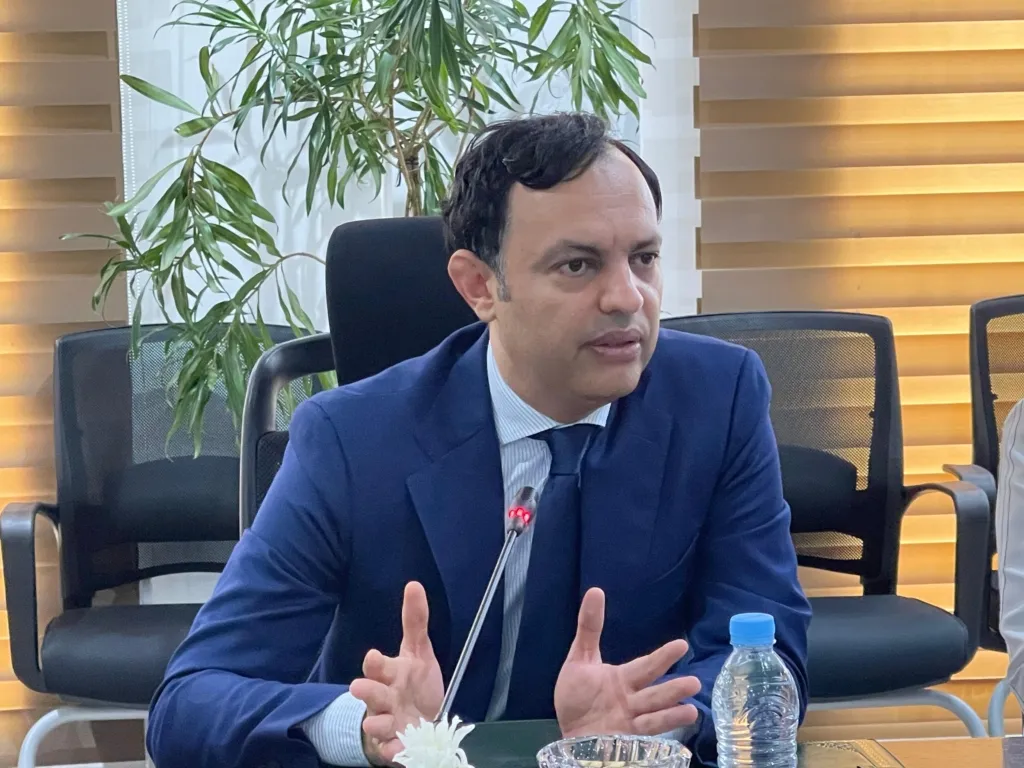
In a recent address, Younes Skouri, Morocco's Minister of Economic Integration, Small Enterprises, Employment, and Skills, highlighted the country's distinctive strategy towards the integration of artificial intelligence (AI). Speaking at the Euro-Mediterranean University meetings in Fez, Skouri emphasized that under the wise leadership of King Mohammed VI, who prioritizes human development, Morocco has consciously chosen a "controlled, ethical, and inclusive modernization" approach to tackle the challenges posed by AI. This path diverges from the binary options of technological isolationism or laissez-faire market approaches, instead advocating for a balanced and responsible engagement with AI technologies.
Skouri articulated that AI is not merely a technological revolution, but rather a political test of our collective ability to make decisions rather than being subjugated by them. He cautioned against narratives of doom that predict the obsolescence of human labor, as well as overly optimistic views that suggest AI will solve all societal issues. Instead, he called for a middle ground where humans take responsibility for guiding the trajectory of AI development, ensuring it serves humanity’s best interests.
Addressing the Societal Implications of AI
The minister firmly stated that AI will not replace human labor; rather, individuals who lack technological proficiency may find themselves sidelined in the historical narrative. He identified the real threat not in AI itself but in the absence of political decision-making, which could be supplanted by automated decisions devoid of human oversight. Skouri further asserted that the competencies required for the future are not merely technical; they are fundamentally human, underscoring the importance of creative thinking, leadership, analytical skills, and the ability to collaborate.
He stressed the need for a political framework to effectively govern AI, highlighting that the United Nations has called for a new social contract that interacts with technology and AI. However, the public decision-making mechanisms needed to implement this contract are still lacking, necessitating immediate action. Skouri encouraged the youth to learn how to ask the right questions, asserting that genuine dialogue should be with human intelligence rather than with AI.
In parallel, Miguel Angel Moratinos, the UN High Representative for the Alliance of Civilizations, advocated for reaffirming human intelligence as a strategic choice to combat what he termed "technological dictatorship" resulting from rapid AI development. He pointed out that AI has evolved from a mere tool to a profound structural shift that could reshape societies and humanity itself, warning of its multifaceted impacts.
Moratinos addressed the significant economic challenges posed by AI, including the potential loss of hundreds of millions of jobs and the subsequent social ramifications. He also highlighted the social challenge of diminishing direct human communication and the detrimental effects of technological unemployment on human dignity and psychological stability.
Both leaders emphasized the pressing need for ethical governance of AI technologies, advocating for transparency and accountability in tech companies. They called for legislative frameworks that prioritize human-centered governance and protect vulnerable populations, particularly children.
In conclusion, this international gathering, held under the auspices of King Mohammed VI, aimed to establish a strategic platform for dialogue and reflection on the future of humanity in the age of AI, bringing together high-ranking academic, scientific, and diplomatic figures from around the world, alongside over 1,400 youth representatives from nearly 50 countries. The objective is to foster constructive discourse and innovative solutions that ensure AI serves as a tool for human progress rather than a source of division or harm.
As reported by madar21.com.