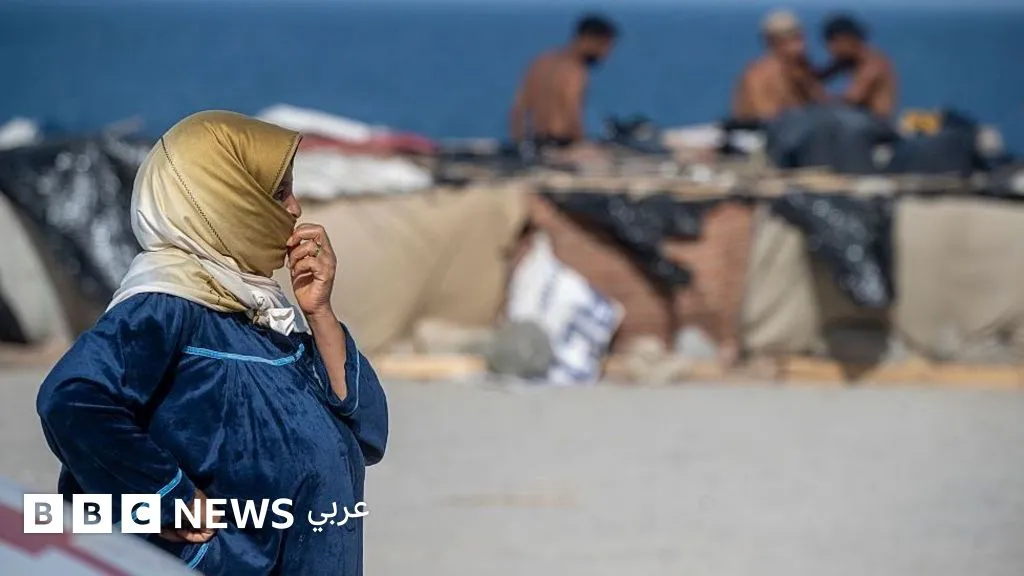
Escalating Concerns Over Sexual Assaults in Ceuta
In the autonomous Spanish city of Ceuta, authorities have reported a staggering increase in sexual assaults since a significant influx of migrants began in late July. According to Spanish prosecutors, there have been 23 recorded incidents of sexual assault, including nine cases involving minors, highlighting a troubling trend of near-daily occurrences of such crimes. Sylvia Rojas, the chief prosecutor in Ceuta, emphasized the vulnerability of migrant girls, who are particularly at risk due to their irregular status within the territory.
The recent wave of migration saw over 72,000 individuals crossing from Morocco to Ceuta on July 30 and 31. While most of these migrants returned, approximately 5,000 people have remained, resulting in unrest and challenges for the local government, which has put pressure on Prime Minister Pedro Sánchez to address the situation effectively. The city is now facing not only a humanitarian crisis but also escalating tensions between migrants and local residents, leading to calls for urgent national discussions regarding the implications of this influx.
Government Response and Public Sentiment
As reported by bbc.com, Rojas stated that the surge in sexual assaults has been alarming, with many victims refraining from reporting incidents due to fear or their precarious circumstances in Ceuta. This situation has drawn attention from various organizations, including the Spanish Epidemiology Association, which has highlighted the difficulties in monitoring and addressing violence against migrant women and girls.
In light of these developments, the Spanish government has announced a multi-million euro aid package aimed at providing essential services and covering costs related to the care of unaccompanied minors. Additionally, local officials, including Ceuta's mayor, Juan Jesús Vivas, have urged citizens to participate in demonstrations across Spain to express solidarity with Ceuta. The government's handling of the crisis has faced criticism from opposition parties, with some accusing Sánchez of losing control over the situation. The right-wing Vox party has gone so far as to claim that the Prime Minister has effectively surrendered Ceuta.
Furthermore, Prime Minister Sánchez has indicated that King Felipe VI will visit Ceuta when conditions permit, a move interpreted as an effort to reinforce Spanish sovereignty over the territory, which Morocco has long claimed. This potential royal visit could heighten diplomatic tensions, especially given the historical context surrounding such visits and the recent surge in migration. Sánchez has also sought to deflect blame from Morocco, instead pointing to misinformation circulating on social media, which he claims is contributing to the crisis.
The broader implications of this migrant surge are significant, as officials on both sides continue to navigate complex narratives surrounding responsibility, safety, and the humanitarian needs of those affected. The ongoing situation in Ceuta remains fluid, underscoring the urgent need for comprehensive policy responses to address the multifaceted challenges posed by migration.