The 1942 cinematic masterpiece _Casablanca_ has captivated audiences for generations with its rich storytelling and memorable dialogue. Set against the backdrop of Morocco during the early stages of World War II, this film offers a plethora of quotable moments, yet one particular exchange stands out for its depth and humor, revealing much about the character of Rick Blaine, portrayed by Humphrey Bogart. Directed by Michael Curtiz and penned by Julius J. Epstein, Philip G. Epstein, and Howard Koch, _Casablanca_ not only garnered critical acclaim but also won numerous Oscars, including the prestigious Best Picture award.
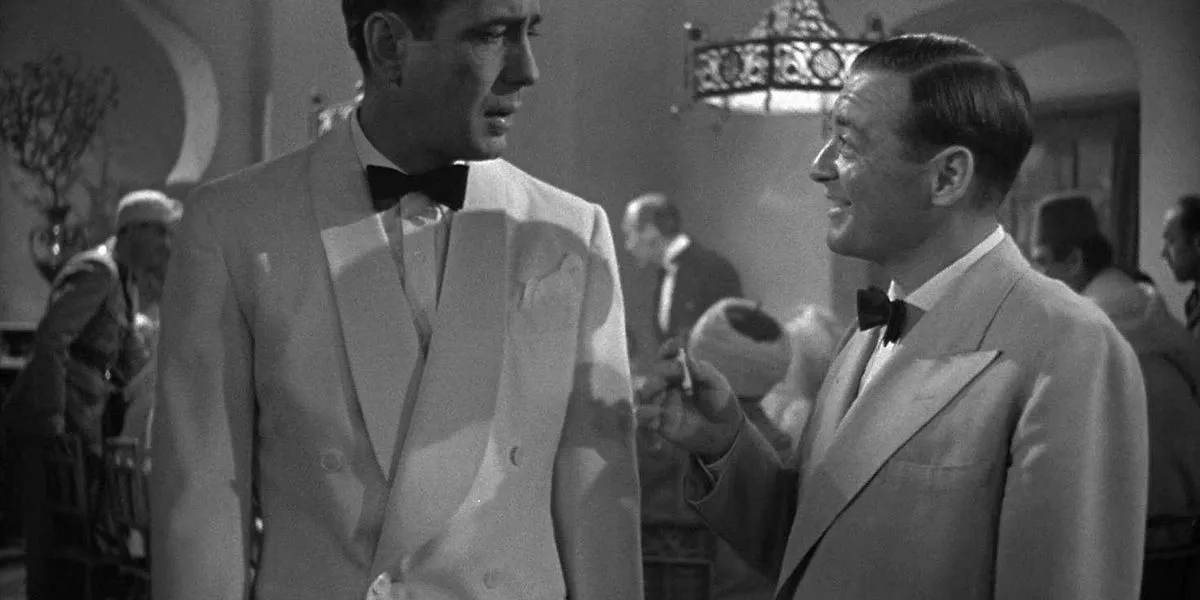
In December 1941, Rick Blaine operates a nightclub in Vichy French territory, drawing an eclectic mix of dubious characters, officials, and desperate refugees. Although he presents himself as a neutral figure, Rick's past as a revolutionary shapes his interactions with the various factions that seek refuge in his establishment. Among them is Ugarte, a small-time crook played by Peter Lorre, who attempts to engage Rick in a conversation that becomes a masterclass in witty repartee.
Dissecting the Exchange
The scene unfolds with Rick dismissing a pompous Deutsche Bank executive, only to be met by Ugarte, who slips into the bar with a false sense of familiarity. The dialogue quickly takes a sharp turn as Ugarte invites Rick for a drink, to which Rick curtly declines, stating his proclivity for solitude. Ugarte, attempting to justify his morally ambiguous dealings with exit visas for refugees, poses the question of whether his actions are truly 'parasitic.' Rick's response, “I don’t mind a parasite. I object to a cut-rate one,” encapsulates the essence of his character. This line is not merely an insult; it serves as a clever commentary on both Ugarte's character and Rick's own ethical standards.
The brilliance of this exchange lies in its structure and the unexpected twist it delivers. As Ugarte sets up the premise of moral judgment, Rick subverts expectations by accepting the term 'parasite' but juxtaposing it with his disdain for those who offer cheap services. This reversal not only injects humor into the dialogue but also provides insight into Rick's complex personality. He is aware of his own parasitic tendencies, yet he maintains a set of standards in a world rife with moral ambiguity.
The Underlying Themes of Character and Morality
Rick's cynical demeanor acts as a shield, allowing him to navigate the treacherous waters of Casablanca while keeping the world at bay. His disdain for Ugarte hints at a deeper self-loathing, as he recognizes the similarities between himself and those he deems beneath him. While Rick projects an image of cool detachment, the depth of his character is revealed through his interactions, particularly in this early exchange. It marks one of the first glimpses into Rick's psyche, as he grapples with his own moral standing amidst the chaos surrounding him.
This line of dialogue is pivotal, not only for its comedic value but also for its contribution to character development. It sets the stage for Rick's journey from a self-serving nightclub owner to a reluctant hero, showcasing the transformative power of personal relationships against the backdrop of war. The layers of meaning embedded in this simple insult speak volumes about the film's themes of love, sacrifice, and redemption.
In conclusion, the interplay of humor and character insight in _Casablanca_ serves as a testament to the film's enduring legacy. The wit of Rick Blaine, encapsulated in his memorable retort, continues to resonate with audiences today, underscoring the timeless nature of well-crafted dialogue. The creative process behind _Casablanca_ further enhances its allure, with the script evolving throughout production, ultimately resulting in a narrative rich with emotional depth and complexity.
As reported by nofilmschool.com.