Spanish Historian Juan Eslava Galán Envisions a Shift in Sovereignty for Ceuta and Melilla
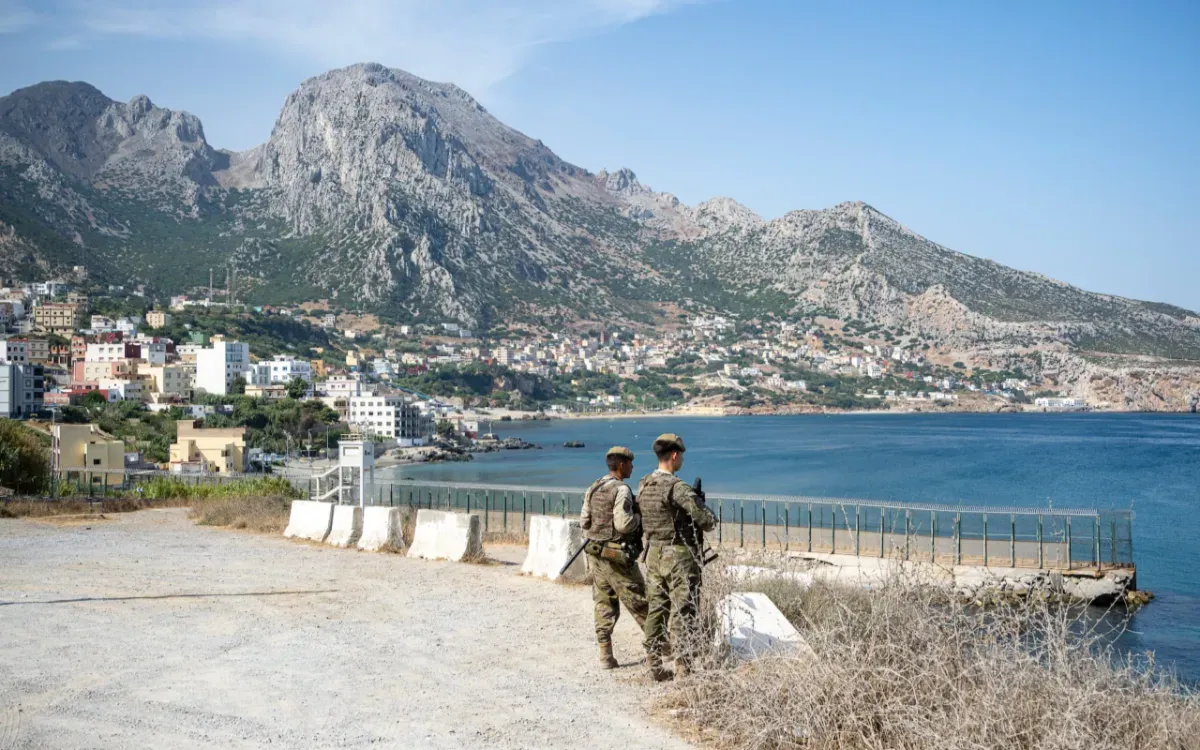
Renowned Spanish historian Juan Eslava Galán recently shared his intriguing perspective on the future of Ceuta and Melilla, two cities located on the northern coast of Morocco but currently under Spanish sovereignty. During a presentation of his new book in Madrid on October 26, Eslava Galán proposed the notion that these territories could eventually transition to Moroccan sovereignty, potentially through a shared management model with Rabat. He emphasized that this shift might happen almost unnoticed, suggesting a gradual process that aligns with changing demographics and geopolitical dynamics.
In his analysis, Eslava Galán draws attention to the increasing influence of Morocco, particularly in its relations with the United States. He argues that Washington might support Rabat even in the event of a conflict with Madrid, thereby favoring Morocco’s position in any negotiations concerning the two cities. This perspective is rooted in historical precedents, such as the Ifni War of 1957, where American restrictions on Spanish military capabilities forced Spain to adapt its strategies. Eslava Galán posits that as Morocco's diplomatic weight grows, particularly in Africa, it will further enhance Rabat's leverage over Ceuta and Melilla.
His recent publication, La Guerra Fría contada para escépticos, includes an appendix dedicated to Morocco, where he connects current geopolitical tensions to the legacies of the Cold War. He asserts that both Morocco and Egypt will play pivotal roles in shaping U.S. relations with the African continent, ultimately solidifying Morocco's diplomatic standing against Spain. Eslava Galán’s predictions invite a deeper examination of the historical and political complexities surrounding Ceuta and Melilla, challenging traditional narratives and encouraging discourse on the future of these strategically significant cities.
As reported by bladi.net.