Fatima Ezzahra El Mansouri: A Trailblazer for Women in Moroccan Politics
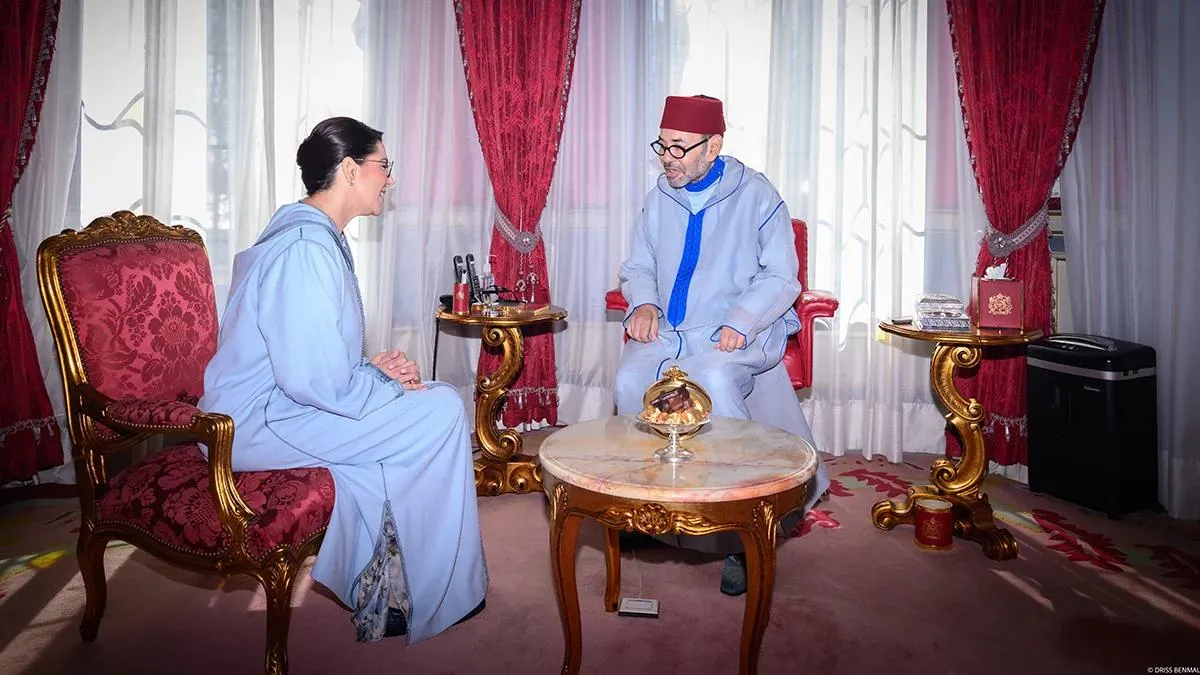
The recent appointment of Fatima Ezzahra El Mansouri by King Mohammed VI marks a significant milestone in Moroccan politics, as it ushers in the first time a woman has been appointed to lead the government with her own parliamentary majority. This historic event follows the electoral success of the Authenticity and Modernity Party (PAM), which secured 97 out of the 395 seats in the House of Representatives. Within just two weeks of the elections, El Mansouri has successfully formed a coalition majority with Istiqlal, the Socialist Union of Popular Forces, and the Progress and Socialism Party, amassing a total of 207 deputies, surpassing the absolute majority by nine votes.
El Mansouri, a seasoned lawyer and former mayor of Marrakech, has long been a prominent figure in Moroccan politics. Her appointment has sparked a variety of interpretations, particularly from certain political and media circles in Spain, where some have labeled it as a mere "cosmetic" change aimed at modernizing Morocco's image amidst recent crises, such as the one in Ceuta. However, a deeper analysis of El Mansouri's political journey and the institutional context leading to her appointment reveals a more substantial reality. She is a capable leader at the helm of the party that won the most seats and has successfully negotiated a parliamentary majority essential for governance.
Electoral Participation and Regional Dynamics in Morocco
Furthermore, the newly formed House of Representatives will include 107 women, representing approximately 27% of its members, a notable increase from 96 in the previous legislature. Moreover, the direct election of female deputies in local constituencies has risen from six in 2021 to seventeen in 2026, while the 90 reserved seats for women from regional constituencies remain unchanged. This progress reflects a broader trend of increasing female representation in Moroccan politics.
The recent elections also highlighted interesting elements of voter participation. Nationally, voter turnout stood at 38.08%, which, while lower than the 50.18% recorded in 2021 (when legislative, regional, and municipal elections coincided), offers insight into regional engagement. Particularly notable was the turnout in Laâyoune-Sakia El Hamra, which reached 77%, and Dakhla-Oued Eddahab at 61%, demonstrating an increasing political engagement in southern provinces that have historically exhibited higher participation rates than the national average.
This elevated participation is critical, especially in light of Morocco's advanced regionalization model, which has progressively empowered local institutions and representatives. This process is foundational to Morocco's proposal for autonomy in the Sahara region, emphasizing the integration of southern provinces into national institutions, as highlighted by the Moroccan Interior Minister when presenting electoral data.
The timing of these elections coincides with significant developments in the United Nations regarding the Sahara, with the renewal of MINURSO's mandate set for October 31. The recent electoral results, including El Mansouri's historic appointment and robust voter turnout in the southern provinces, align with King Mohammed VI's call for a renewed impetus to enhance Morocco's economic growth and extend its benefits across various regions.
In his address during the opening of the new legislature on October 9, King Mohammed VI underscored the importance of placing youth at the center of public policies, advocating for equality of opportunity through education, training, and economic integration. This focus is particularly relevant in the context of the challenges posed by migration and the need to provide better prospects for Moroccan youth, many of whom have sought opportunities abroad, as evidenced by the crisis in Ceuta last summer.
In conclusion, El Mansouri's appointment and the substantial electoral participation in southern provinces herald a transformative era for Morocco. The significance of having a woman lead the government cannot be overstated; it represents a breaking of barriers that have historically limited women's roles in governance. As Morocco embarks on this new legislative session, the implications of these developments are vast, reflecting a nation in the midst of profound change, deserving of careful observation and nuanced understanding.
As reported by atalayar.com.