The Oujda and Jerada Riots: A Historical Overview
In the historical landscape of Morocco, the riots that erupted in Oujda and Jerada in June 1948 stand out as some of the most violent anti-Jewish incidents of the 20th century, alongside the notorious Fez pogrom of April 17, 1912. These tragic events unfolded in a complex socio-political context influenced by the broader regional tensions associated with the establishment of the State of Israel. Benjamin Badier, currently pursuing a dissertation at the Sorbonne focusing on the decolonization of Morocco, has meticulously researched the actors involved in these riots and the underlying factors that contributed to this outbreak of violence. His findings highlight the critical role played by the French colonial authorities, whose inaction and policies exacerbated existing identity tensions within Moroccan society.
The Catalyst for Violence: What Sparked the Riots?
On the morning of June 7, 1948, Oujda witnessed a violent eruption triggered by a personal dispute between a Moroccan Muslim and a man identified as a Moroccan Jew, although some accounts suggest he was also Muslim. This altercation escalated dramatically when allegations surfaced regarding a Moroccan Jew, Albert Bensoussan, who was apprehended for attempting to smuggle chemicals and was suspected of planning to emigrate to Israel. The simultaneous occurrence of these two events ignited a riot that quickly spiraled out of control within mere hours, resulting in widespread looting of Jewish homes and businesses by a mob of several hundred people. Tragically, five individuals lost their lives during this chaos, including four Moroccan Jews and a non-Jewish Frenchman from Algeria.
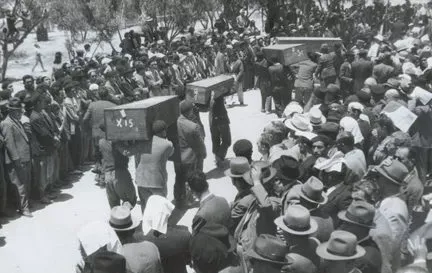
As the violence spread to Jerada, a small mining town located approximately sixty kilometers south of Oujda, the situation intensified further. In the evening of the same day, an estimated thirty-eight Moroccan Jews were killed, a catastrophic loss representing nearly a third of the town's Jewish population at the time, including Rabbi Moïse Cohen and his family. The events in Jerada were fueled by rampant rumors that distorted the reality of the situation, further inciting violence and leading to a tragic cycle of retribution and chaos.
The riots in Oujda and Jerada were not isolated incidents; they were deeply intertwined with the socio-political climate of the period, marked by rising nationalism and tensions surrounding the establishment of Israel. The Moroccan Sultan's ambiguous stance on the Jewish community, coupled with rising anti-Jewish sentiments, created a volatile environment ripe for conflict. These events underscore the complex dynamics of Moroccan society at the time, which were shaped by colonial policies and the struggle for national identity.
As reported by telquel.ma.