Morocco's New Government and the Historic Appointment of a Female Prime Minister
In a significant development for Morocco, the recent parliamentary elections have drawn attention not only for their results but also for the historic appointment of Fatima Ezzahra El Mansouri as the country's first female prime minister. Dr. Irene Fernandez-Molina, a Senior Lecturer in International Relations and an expert on the region, commented on the implications of these events, noting that they are interconnected in ways that reflect deeper socio-political dynamics.
The turnout for the elections was reported at 38%, but this figure is misleading when viewed in context. This percentage is derived from the 15.8 million registered voters, whereas the actual number of eligible voters in Morocco is estimated to be between 27 and 28 million. This discrepancy suggests that the real turnout might be as low as 22%, raising concerns about the regime's legitimacy and its perception on the international stage. In light of such low voter engagement, Dr. Fernandez-Molina posits that King Mohammed VI's decision to appoint a woman to the prime ministerial role serves as a strategic move to bolster the government's image and legitimacy.
Dr. Fernandez-Molina highlights the concept of "authoritarian state feminism," which refers to the government's selective use of women's rights issues to enhance its own standing. This phenomenon is not unique to Morocco; it has been observed in various forms across the Middle East and North Africa. While El Mansouri's appointment may appear progressive, it is essential to recognize the broader context in which such appointments occur. For instance, she is only the third woman to hold the position of prime minister in an Arab country, following Tunisia's Najla Bouden and Sara Zaafarani. Both of these appointments, like El Mansouri's, took place amid circumstances of democratic decline, which raises questions about the genuine advancement of women's rights in these regions.
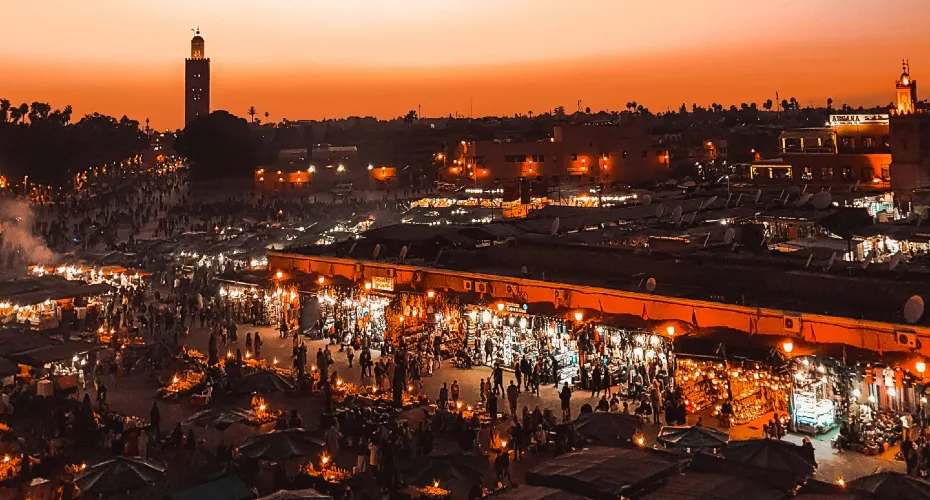
El Mansouri brings a wealth of experience to her new role, with a two-decade career in public management and politics, including her tenure as the mayor of Marrakech. Her background reflects the Moroccan elite, as she comes from a prominent family and was encouraged to enter politics by Fouad Ali El Himma, a close associate of the king. This connection underscores the significance of political patronage in Morocco, suggesting that her rise to power may also be viewed through the lens of established political networks rather than a straightforward narrative of progress for women.
As reported by news.exeter.ac.uk.