Morocco's Commitment to Digital Transformation and Public Administration Reform
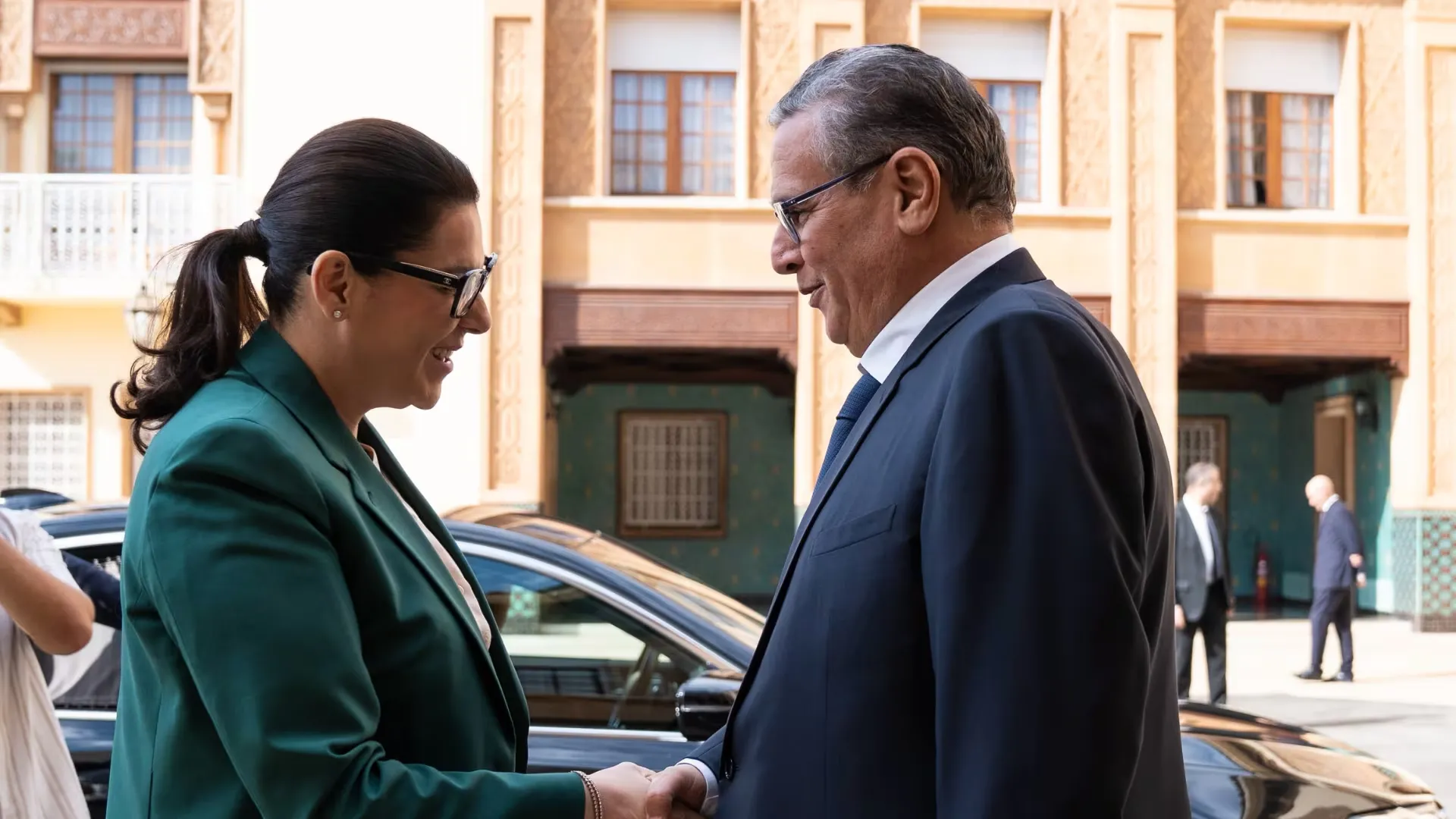
A significant memorandum of understanding (MoU) was signed on Wednesday in Rabat between the Ministry of Digital Transition and Administrative Reform and the United Nations Economic and Social Commission for Western Asia (ESCWA). This agreement aims to establish a comprehensive institutional and operational framework for cooperation in key areas such as digital transformation, modernization of public administration, governance, artificial intelligence (AI), and innovation. The MoU was officially endorsed by Amal El Fallah Seghrouchni, the Minister Delegate for Digital Transition and Administrative Reform, along with Rania Al-Mashat, the Executive Secretary of ESCWA and Assistant Secretary-General of the United Nations.
This collaboration seeks to bolster Morocco's ongoing efforts in modernizing public administration and accelerating its digital transformation, ultimately enhancing the quality of public services while improving their efficiency and effectiveness. Additionally, it aims to strengthen governance frameworks and enhance administrative efficiency, as stated in a ministry communiqué.
Fostering Institutional Cooperation and Knowledge Exchange
In her speech during the signing ceremony, Minister Seghrouchni emphasized that this framework of cooperation represents a mutual commitment to elevate collaboration to a more advanced institutional and operational level. This progression will facilitate the translation of shared expertise and visions into concrete programs and initiatives, while leveraging the accumulated experiences and expertise from both parties. The minister indicated that this cooperation aligns with Morocco's major reform agendas and reflects a clear political will to accelerate administrative reforms. She underscored that the ministry's vision intertwines digital transition with administrative reform, viewing both as inseparable levers essential for redefining the administrative model, enhancing public service quality, and ensuring that administration is more accessible to citizens and businesses.
Since May 2025, the ministry has been developing a roadmap for administrative transformation for the years 2026-2030, aimed at establishing a modern, agile, and efficient administrative model capable of anticipating and accommodating the rapid changes in society, economy, and technology. On her part, Al-Mashat highlighted the significance of this agreement in strengthening cooperation and the exchange of expertise between ESCWA and Morocco. She specifically pointed out the importance of leveraging Moroccan experiences in administrative reform and digital transformation, as well as sharing best practices and accumulated knowledge in these fields.
Moreover, she stressed the importance of enhancing South-South cooperation and the sharing of experiences and expertise among nations to contribute to the modernization of public administration, support digital and technological transformations, and foster more efficient and effective administrations that better meet citizens' expectations. The ministry noted that this new MoU serves as a lever to enhance cooperation with ESCWA, tapping into regional and international expertise in public administration modernization, in line with national priorities concerning digitization, innovation, AI, process simplification, skills development, and improving user experience.
This cooperative framework also anticipates the exchange of expertise, knowledge, and best practices in governance, public administration, digital transformation, and innovation. It emphasizes the value of both parties' accumulated experiences to develop tailored approaches and solutions that respond to the rapid changes occurring in public administration.
The signing of this memorandum continues the ongoing cooperation dynamics between the ministry and ESCWA, which was notably demonstrated during the 3rd Arab Forum on Public Administration held in Rabat on June 30 and July 1, 2026. This event, organized in partnership with ESCWA, was themed "Innovation in Governance for a Future-Ready Public Administration". The forum culminated in the adoption of the "Rabat Declaration", which outlined a shared vision for the future of public administration in the Arab world, focusing on transitioning towards a more efficient, agile, and anticipatory administration that is centered around the citizen and user.
The Rabat Declaration established a vision where "digital transformation and administrative reform are complementary and inseparable processes. Modernizing administration cannot simply be confined to digitizing services; it necessitates a redesign of pathways, simplification of procedures, and an evolution of governance methods, alongside the mobilization of technologies and data, and enhancement of interoperability to achieve a more effective, transparent public administration that is closer to the citizen and user." The declaration delineated 14 complementary orientations mainly revolving around evolving roles of public administration, improving service quality, simplifying procedures, reducing administrative burdens, accelerating safe and inclusive digital transformation, responsibly adopting AI and emerging technologies, developing human resource competencies, enhancing institutional coordination and effectiveness, and consolidating transparency, accountability, and trust in administration.
As reported by lareleve.ma.