Morocco's Defense Updates and Military Capabilities
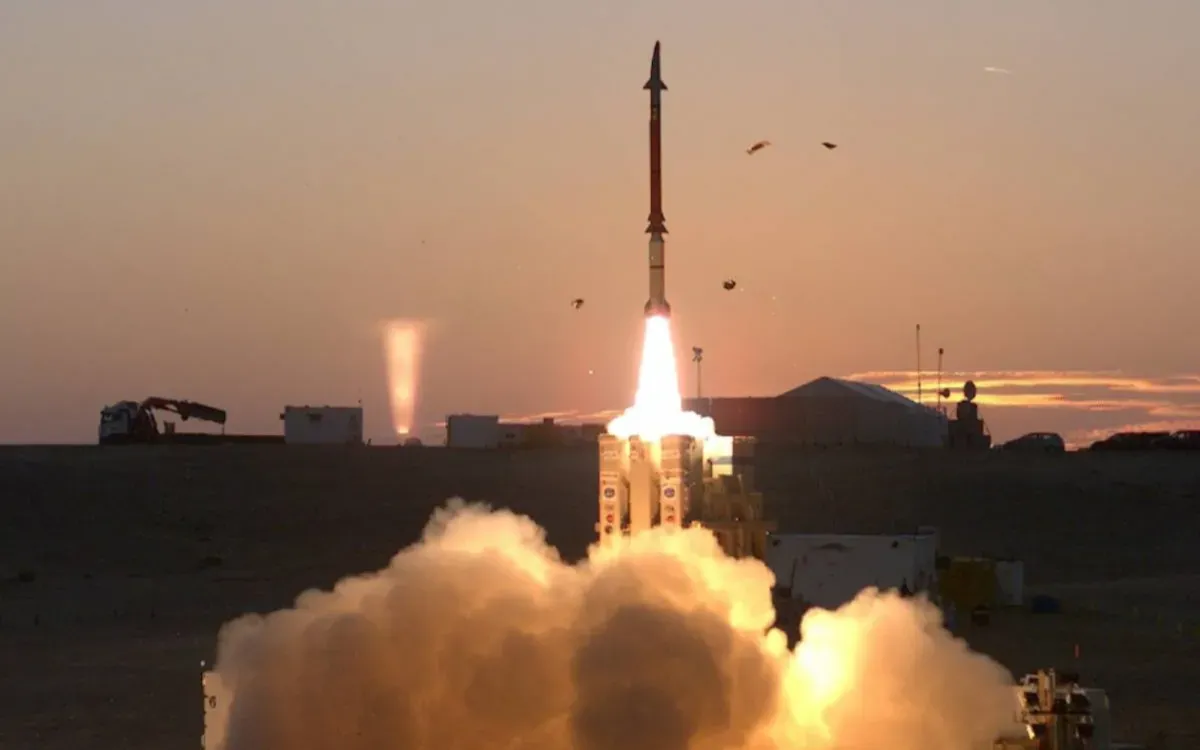
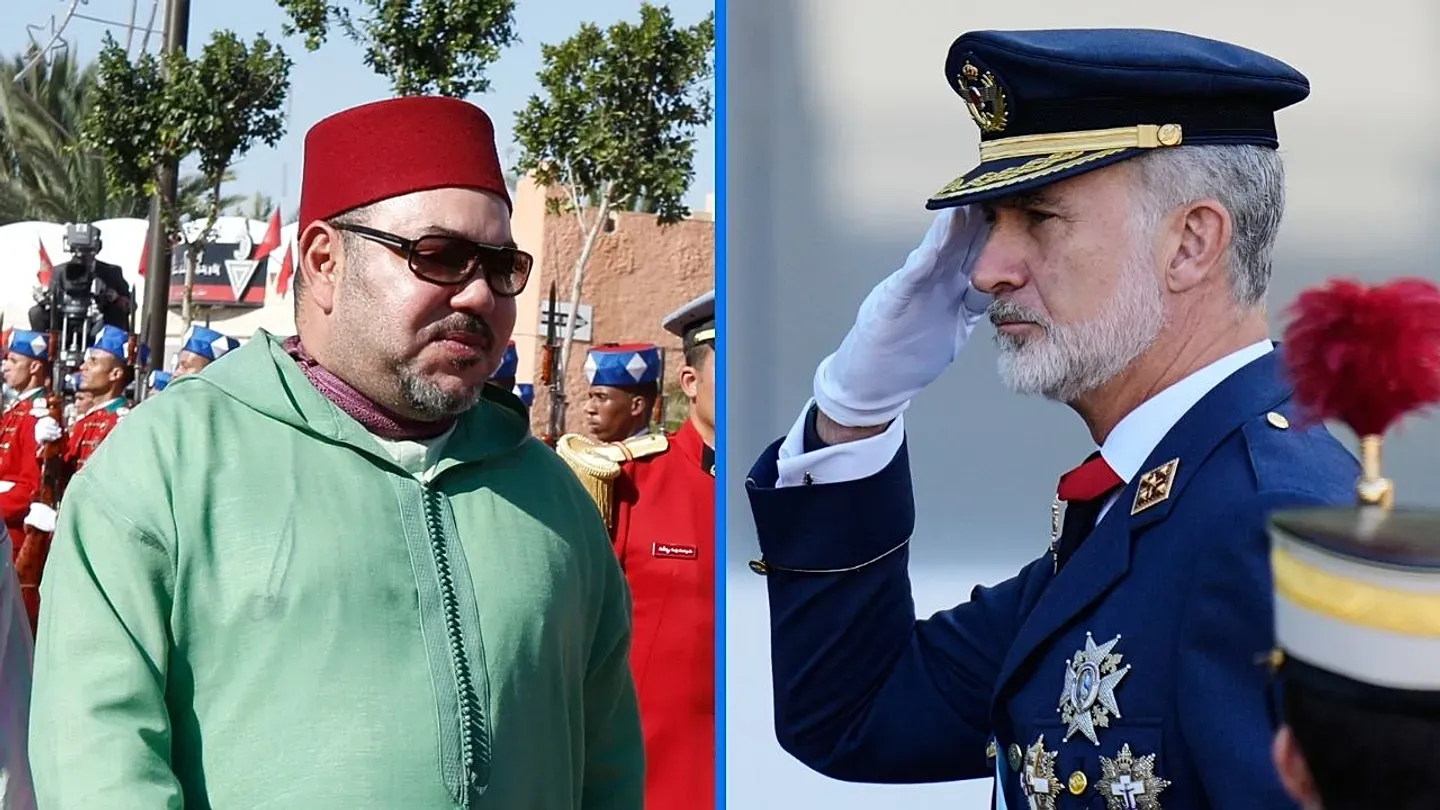
On October 6th, 2026, the Royal Moroccan Air Force successfully conducted its inaugural flight of the first F-16 Block 72 at Greenville, South Carolina, as reported by Lockheed Martin. This event marks a significant milestone in Morocco's ongoing military modernization efforts, which have drawn keen attention in Spain. As the Moroccan military continues to enhance its capabilities, questions arise regarding its strength in comparison to Spain's military forces. Despite Spain's considerable budgetary advantages and its dominance at sea, Morocco boasts a larger number of active soldiers and a unique artillery capability that Spain has been without for over fifteen years.
Defense Spending and Economic Context
The disparity in defense budgets paints a clear picture of the military landscape. According to the latest report from the Stockholm International Peace Research Institute (SIPRI), Spain allocated approximately €34.3 billion to defense in 2025, representing a 50% increase from the previous year and translating to 2.1% of its GDP. In comparison, Morocco's defense spending stood at €5.645 billion, a modest increase from €4.92 billion in 2024, securing its position as the second-largest military investor in Africa, surpassed only by Algeria. The economic context further highlights the differences, with Morocco's GDP for 2025 estimated at €138.7 billion, while Spain's economy approached €1.69 trillion, illustrating a significant economic imbalance between the two nations.
One commonly circulated statistic suggests that Morocco allocates 10% of its GDP to defense; however, this figure is misleading. SIPRI estimates Moroccan military expenditures at around 3.54% of GDP, with the 10% figure more accurately reflecting defense spending as a proportion of public expenditure, evaluated at 10.28% for 2025. Morocco's 2026 financial law approved future spending commitments for the Ministry of National Defense, totaling about 157.17 billion dirhams (approximately €14.7 billion), although the actual budget for 2026 is projected at 55.3 billion dirhams (€5.16 billion).
Spain, meanwhile, aims to maintain its defense spending at 2% of GDP in 2026, despite being the only NATO ally that has not committed to the target of 5% by 2035.
In terms of personnel, Morocco has a distinct advantage with an estimated active military force of between 195,000 and 200,000 troops, along with about 150,000 reservists. Notably, Morocco reinstated mandatory military service in 2019, bolstering its numbers further. In contrast, the Spanish military's active personnel count stood at 116,739 as of January 1, 2025, falling short of the legally mandated minimum of 130,000, highlighting a concerning trend in Spain's military readiness.
As Morocco continues to modernize its military capabilities, including the acquisition of advanced aircraft such as the F-16 Block 72 and a growing arsenal of ground forces, it remains crucial to observe the geopolitical dynamics between Morocco and Spain, especially in light of recent tensions surrounding migration and territorial disputes.
As reported by fr.euronews.com.