Leïla Faraoui: A Legacy in Moroccan Art
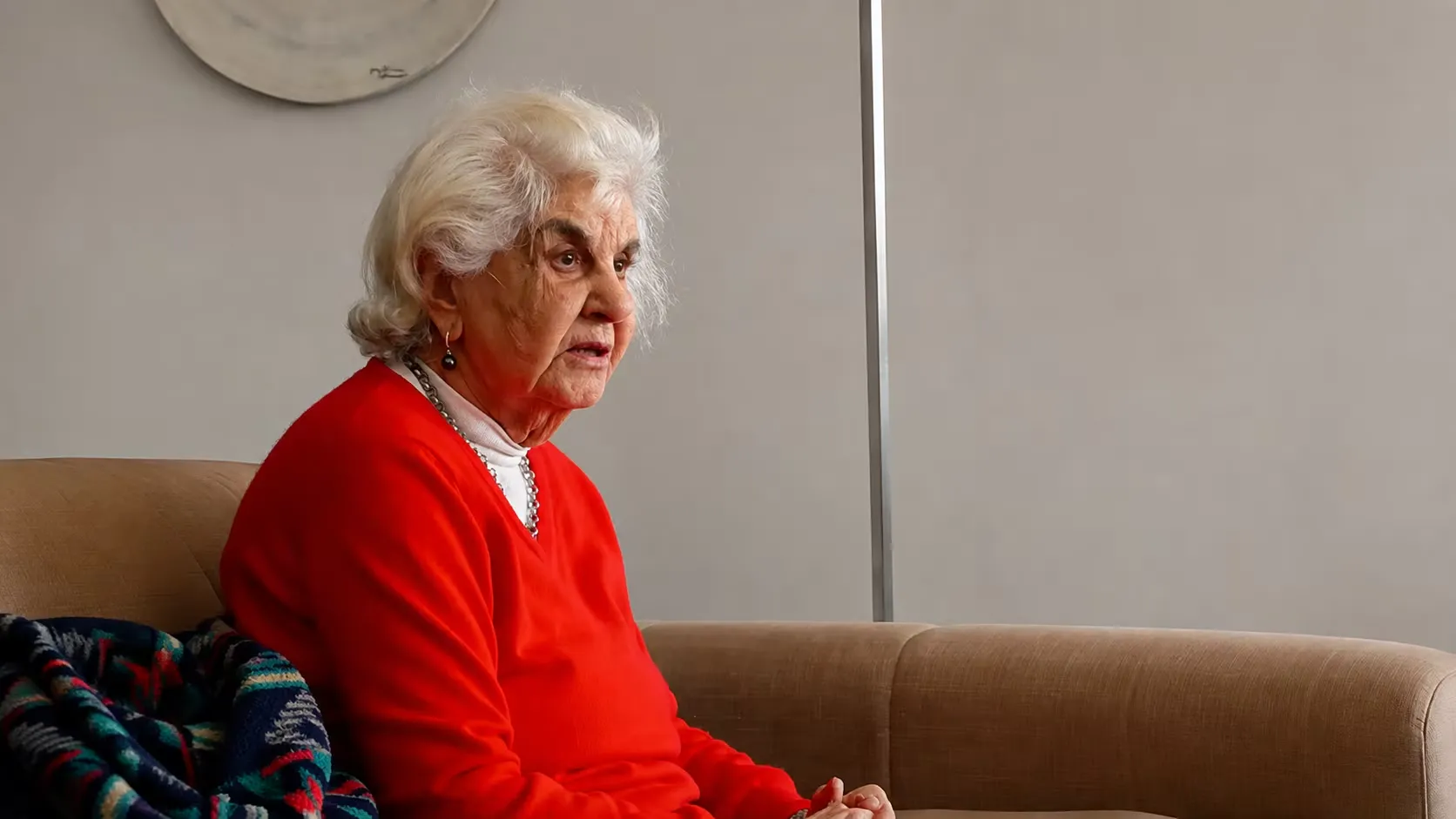
Leïla Faraoui, the esteemed founder of the Nadar Gallery and a pioneering figure in Morocco's art market, passed away on the night of September 1, 2026, at the age of 86. Her departure marks the end of an era for a gallery owner who, over more than half a century, supported multiple generations of artists and played a crucial role in bringing forth some of the most significant figures in modern and contemporary Moroccan art.
The story of Nadar began in Casablanca in July 1974, at a time when private galleries were still a rarity, and the national art market was in its infancy. Leïla Faraoui took a bold step to dedicate a space to the burgeoning Moroccan creativity, particularly highlighting artists associated with the Casablanca School. Over the decades, more than a hundred artists showcased their work at Nadar, which hosted over 200 exhibitions and events. What might have seemed like a personal venture quickly transformed into a long-term commitment to the arts. Leïla Faraoui was not merely a gallery owner; she became a vital intermediary between artists, collectors, and the public, identifying, exhibiting, supporting, and defending emerging creators. In doing so, she gradually contributed to the structuring of the Moroccan art market.
Faraoui's journey into the art world was unexpected. Married to architect Abdesslam Faraoui, who graduated from the École spéciale d'architecture in Paris and was licensed to practice in Morocco since 1961, she found herself in an environment where architecture and visual arts engaged in a fruitful dialogue. Initially contemplating a career in publishing, her close ties with artists such as Mohammed Melehi and Mohammed Chabâa ultimately directed her towards the visual arts. The space she had available was transformed into a gallery, with Melehi designing its visual identity: an eye above the 'D' in Nadar, a name chosen in reference to an Arabic concept linking sight and opinion.
Championing Emerging Artists
Years later, she recounted her rapid learning curve in this new universe with humor: "I knew absolutely nothing about Moroccan painting. Gouache, watercolor, silk-screen printing, oil painting—all of it was like Chinese to me." This personal adventure evolved into a passionate commitment to nurturing talent. Leïla Faraoui did not simply hang artworks; she fully embraced her role as an intermediary, a role that was still nascent in Morocco, facilitating connections among artists, collectors, and the public. Her gallery became a launchpad for many artists, including notable names like Mohamed Kacimi, Mohamed Melehi, and Farid Belkahia. Nadar also welcomed international creators and a wide array of mediums, ranging from painting to sculpture, graphic arts, ceramics, and later photography.
Art critic Kacem Gharba articulated this sentiment in a reflection published after her death: "This endeavor may have seemed like a high-risk personal adventure at the time, but it was far more than that. It was an act of faith in Moroccan artists." This trust formed the backbone of Leïla Faraoui's journey. At a time when the economic status of artists was precarious and distribution channels were poorly structured, she took the risk of investing in emerging talents rather than limiting her exhibitions to already established names. "I wanted the artists to be sought after and recognized from my position as a skillful mediator. And that is what happened: those who shaped the history of contemporary art in Morocco began their careers at the Nadar Gallery," she explained in an interview in 2007. The legacy of her work is further echoed by artist Zine El Abidine El Amine, who noted, "Leïla was a woman who gave so much to art and artists. She supported and defended the artistic creation with passion and conviction. Behind her name lie countless stories, meetings, and memories of artists she helped bring to light."
Following her passing, the Nadar Gallery, now located at 5 Rue Al Manaziz in the Maârif district, has experienced various phases of activity and closure, eventually continuing its legacy with a new generation of the Faraoui family. However, Leïla Faraoui's legacy is more than a succession of exhibitions. Fifty years of activity have produced a substantial collection of catalogs, photographs, correspondence, documents, and artworks that capture the evolution of the Moroccan art scene. Her family has taken on the responsibility of preserving and documenting this rich history. Since 2023, her daughters Amina and Zineb, along with her granddaughter Nihel, have carried the torch, ushering Nadar into a new chapter of its history. Their work on family archives notably contributed to the heritage exhibition "Impressions at Nadar," held in 2025 to celebrate the gallery's 50th anniversary, which traced five decades of artistic creation and underscored Nadar’s importance in the history of contemporary Moroccan art.
The generational transmission of this legacy continues the very intuition that led to the gallery's inception: to not only showcase artworks but to support those who create them. Nihel shared her grandmother's commitment to nurturing young artists, stating, "My grandmother was dedicated to helping young artists grow. Some found their way to success, while others did not, but she always gave many of them a chance." For Kacem Gharba, the most tangible legacy of the gallery lies in the continuity of its memory: "The beauty of this story is that this memory did not end with Leïla. It has been passed down. Her daughters have taken up the mantle, and a new generation is engaged in preserving and researching the archives of Nadar." More than fifty years after the opening of Nadar, Leïla Faraoui's vision continues to thrive. She believed in Moroccan artists long before the market recognized them, offering them a platform when few existed, and transforming the gallery into a space for discovery, transmission, and memory.
As reported by fr.le360.ma.